One Last Hand Build the Hand. Land the Slap.
Attack shapes, defensive backups, and when to pull the trigger.
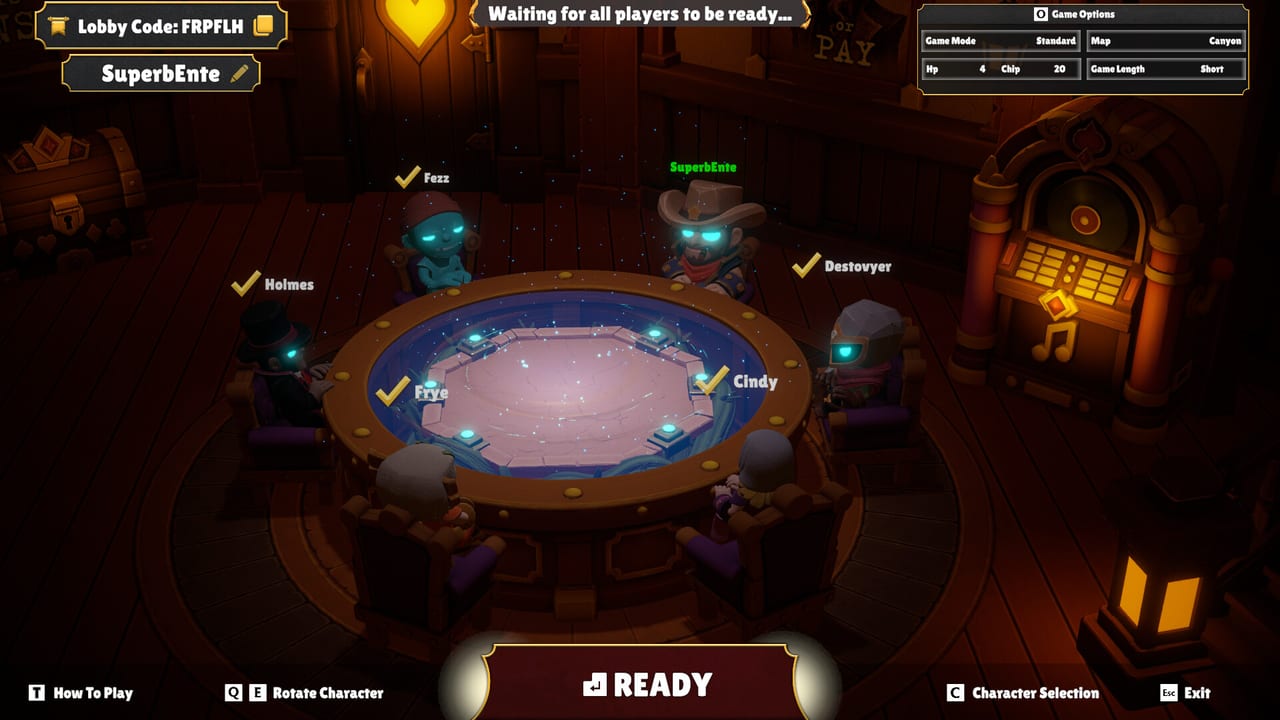
After the secret auction, One Last Hand stops being a quiet puzzle and becomes a slap contest. Your hand is not a scoreboard trophy—it is the attack. Your backup hand helps you survive long enough to use that attack. This guide explains how to build both sides and when to commit.
Poker vocabulary, party-game purpose
Pairs, straights, flushes, and stronger ranks still matter, but the payoff is combat pressure rather than a quiet showdown pot. A completed combination should answer: who am I aiming at, and can I survive the return slap if they are holding a nasty Relic?
Building the attack hand
Chase flexible connectors early, then lock a rank identity mid-match. If your Relics can shift suits or values, you can afford slightly messier intermediates. If your Relics are more about survival, your auction work must already be clean. Use Hand Ranks as a quick reference while you learn which shapes actually hurt in High Score lobbies.
Building the backup hand
Defense is not “whatever leftovers remain.” Assign a few bids to backup integrity, especially when you are leading. Leaders get targeted. A respectable backup lets you tank a hit and respond, which is how lucky comebacks happen for the person who looked dead last round.
Timing the slap
Going face-first the instant you complete a pair can feel great and still be wrong. Sometimes you wait one Relic cycle to upgrade the same line into a straighter, louder slap. Sometimes you slap immediately because a rival is about to finish something worse. Read the table the same way you read bids: who is celebrating early, who is quietly assembling denial tools, who just picked up a Recycler-style cleanup?
Comebacks and table psychology
Official messaging leans into unfair Relics, lucky saves, and friendships that may not survive the table. Lean into that fantasy with discipline. Comebacks usually start with one denied card plus one defensive hold, not with random max bids. If you are behind, prioritize disruption Relics and denial auctions; if you are ahead, prioritize backup integrity and efficient score conversion.
Mode notes
High Score rewards clean conversion and repeated mid-strength slaps that rack points without dying to greed. Last One Standing (launch focus) rewards elimination timing—sometimes a slightly weaker slap that removes a player is better than a prettier combo that leaves them alive. Practice both mindsets in friend lobbies after the 14 August 2026 release.
Link your learning
Auctions feed this page—revisit How to Bid. Relic polish lives in Best Combos and Power-ups Tier List. Full beginner context remains in How to Play.
Treat every hand as a sentence: subject (your target), verb (the slap), and punctuation (the Relic that makes it unfair).
Suit and rank planning without a spreadsheet
You do not need a perfect solver. You need a simple label for your attack plan each round: pair ladder, straight climb, flush chase, or “Relic-assisted mash.” Say the label in your head before you bid. If a card does not advance the label or deny a rival label, it is probably a trap.
When Relics can shift suits, flush chases become more realistic mid-match. When your tools are mostly recyclers or survival saves, prefer rank ladders that recycle cleanly. That is why reading Relics Tier List alongside combat practice matters—your hand identity should match your toolkit.
Multi-target tables
In four-to-six player lobbies, the correct slap target rotates. Hitting the loud leader feels satisfying, but the quiet player assembling a flush with two denial wins might be the real final boss. Glance at who contested the last critical auction. If they won it, they are converting soon—contest their next piece or slap them before the conversion lands.
Defense as a scoring tool
In High Score, surviving has a point value because dead players stop converting. A backup hand that lets you eat one slap and respond can be worth more than a greedy third attack rank. Think of defense as tempo: you are buying another auction cycle. Many “lucky comebacks” are just players who bought one extra cycle while someone else celebrated early.
Drill that sticks
Play one demo match where you are not allowed to slap until you verbally (or in chat) state attack shape, backup shape, and target. It feels silly and instantly improves decision quality. Then return to normal chaos with better instincts.
Frequently Asked Questions
Quick answers to the most common questions.
What is the backup hand for?
It supports defense when you get targeted so your attack plan is not erased by the first return slap.
Should I always wait for the strongest combo?
Not always. Tempo matters—especially if a rival is one card away from deleting you.
Do Relics replace good hand building?
No. Relics bend rules; they rarely invent a whole strategy if your auctions were chaotic.